
Introduction
Diabetes is a common health problem that affects millions of people worldwide. Early detection is key to managing diabetes and preventing serious health issues. HbA1c testing in early detection of diabetes is now a trusted method for finding the disease before symptoms appear. Because this test gives a clear picture of your blood sugar over time, it is very helpful for both patients and doctors.
What is HbA1c?
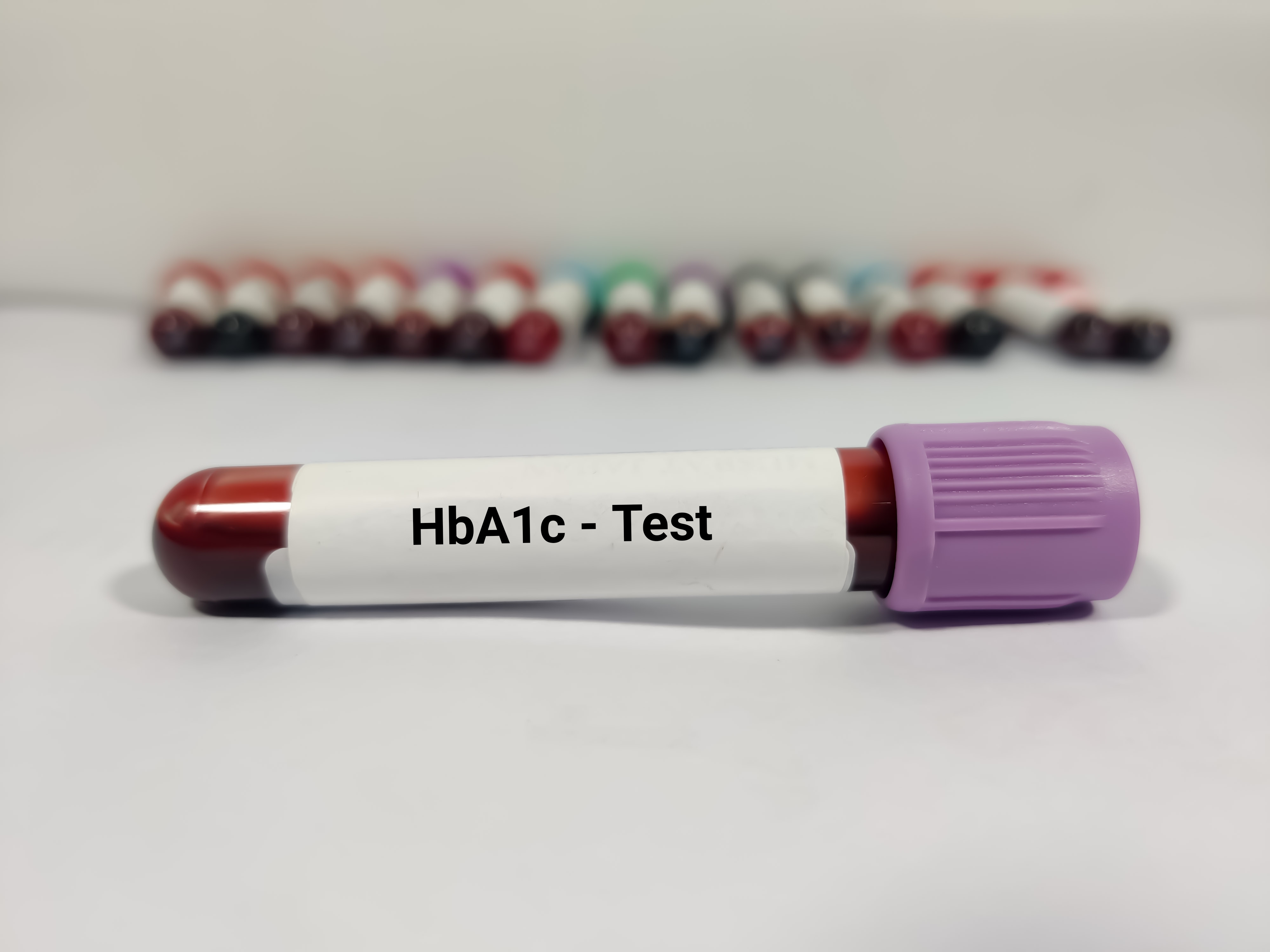
HbA1c stands for hemoglobin A1c. It is a simple blood test that shows your average blood sugar levels over the past two to three months. When sugar sticks to your red blood cells, it forms HbA1c. The higher your blood sugar, the more HbA1c you have. Therefore, this test helps doctors see if your blood sugar has been high for a long time. According to the Centers for Disease Control and Prevention (CDC), HbA1c is a key tool for diabetes screening and management.
How Does HbA1c Testing Work?
During the test, a small blood sample is taken from your arm or finger. The sample is then sent to a lab. There, experts measure the amount of HbA1c in your blood. Unlike some other tests, you do not need to fast before an HbA1c test. Because the test looks at long-term blood sugar, it is not affected by what you ate that day. This makes it easy and convenient for most people.
Why Early Detection of Diabetes Matters
Detecting diabetes early can prevent many health problems. For example, early diabetes diagnosis helps you avoid heart disease, kidney damage, and vision loss. When you know your risk early, you can make changes to your lifestyle and get treatment sooner. As a result, you have a better chance of staying healthy for longer. The World Health Organization (WHO) also stresses the importance of early detection in reducing diabetes complications.
Benefits of HbA1c Testing for Early Diagnosis
Because of these benefits, many doctors recommend HbA1c testing for early diabetes diagnosis and ongoing care.
Who Should Get Tested?
Not everyone needs an HbA1c test right away. However, some people are at higher risk. You should consider testing if you:
If you have any of these risk factors, talk to your doctor about diabetes screening. You can also search for “HbA1c testing near me” to find local clinics.
How to Prepare for an HbA1c Test
Unlike some blood tests, you do not need to fast before an HbA1c test. You can eat and drink as usual. However, it is a good idea to:
Because the test is quick and simple, most people find it easy to complete.
Understanding Your HbA1c Results
After your test, your doctor will explain what your HbA1c number means. Here is a simple guide:
However, your doctor may repeat the test to confirm the result. If your number is high, you may need more tests or treatment. Early action can help you stay healthy and avoid problems.
Prevention and Lifestyle Tips
Even if your HbA1c is normal, you can take steps to lower your risk. For example, you can:
Because small changes can make a big difference, start with one healthy habit today.
Conclusion
In summary, HbA1c testing is a simple and powerful tool for early detection of diabetes. It helps you and your doctor spot problems before they become serious. If you have risk factors or want to know your status, ask about HbA1c testing. Consult Dr. Ayush Bansal for personalized advice on diabetes screening and prevention.