

What Is Mammography?
Mammography is a special type of X-ray for the breasts. It helps doctors find changes in breast tissue. For many women, regular breast screening with mammography can find problems before they cause symptoms. In fact, early detection of breast cancer is one of the main goals of mammography. This test uses low-dose X-rays to create clear images of the inside of the breasts.
Why Regular Breast Screening Is Important
First, regular breast screening helps find breast cancer early. When doctors catch cancer early, treatment is often easier and more successful. According to the CDC, early detection through mammography can lower the risk of dying from breast cancer. Also, many breast changes are not cancer, but screening helps doctors check them quickly. For this reason, regular mammograms are a key part of women’s health.
Who Should Get Mammograms?
Most experts, including the American Cancer Society, suggest women start regular breast screening at age 40 or 50. However, your doctor may recommend starting earlier if you have a family history of breast cancer. In general, women aged 50 to 74 should get a mammogram every one to two years. Yet, some women may need them more often. Always talk to your doctor about what is best for you.
How Mammography Works
During a mammogram, a machine takes X-ray pictures of each breast. The machine gently presses the breast between two plates. This spreads the tissue so the X-ray can capture clear images. Because the X-ray uses a low dose, it is safe for most women. After the test, a radiologist looks at the images for any unusual areas. If they find something, you may need more tests, but often these changes are not cancer.
What to Expect During a Mammogram
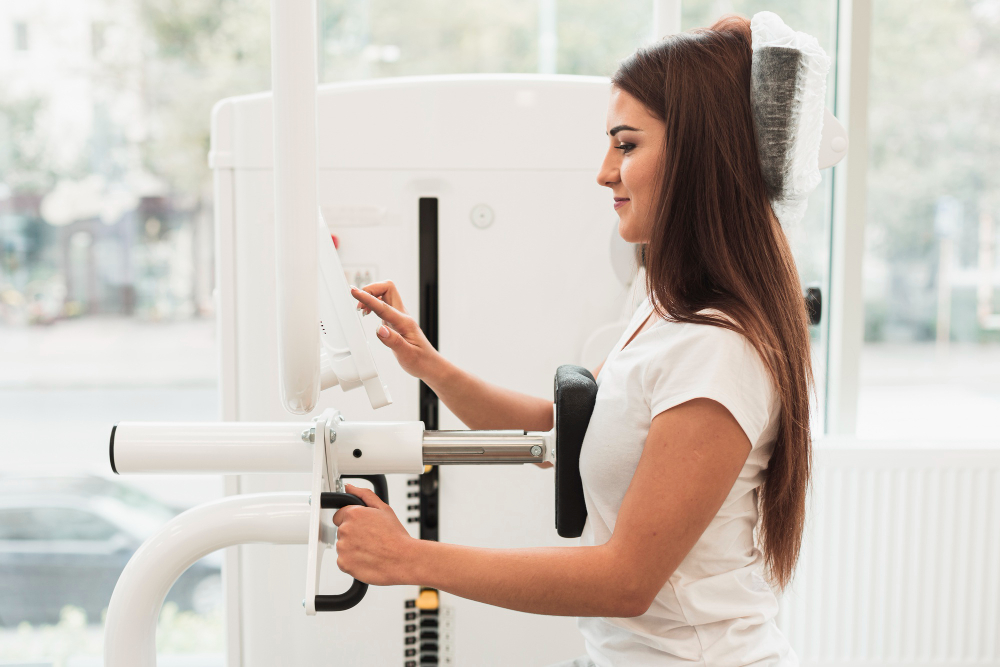
Before your mammogram, you will be asked to remove your top and bra. Next, you stand in front of the mammography machine. The technician will help place your breast on the plate. Then, the machine presses down for a few seconds to take the picture. Although you may feel some pressure, it should not be painful. The whole test usually takes about 20 minutes. Afterward, you can return to your normal activities.
Benefits and Risks of Mammography
Clearly, mammography offers many benefits. For example, it can:
However, there are also some risks. Sometimes, mammograms find changes that are not cancer. This can lead to more tests or worry. Rarely, mammograms may miss some cancers. Also, there is a small amount of radiation, but the risk is very low. Still, the benefits of regular breast screening usually outweigh the risks for most women.
Tips for Preparing for a Mammogram
To make your mammogram easier, try these tips:
With these steps, your mammogram can go more smoothly.