
What Is a Homocysteine Test?
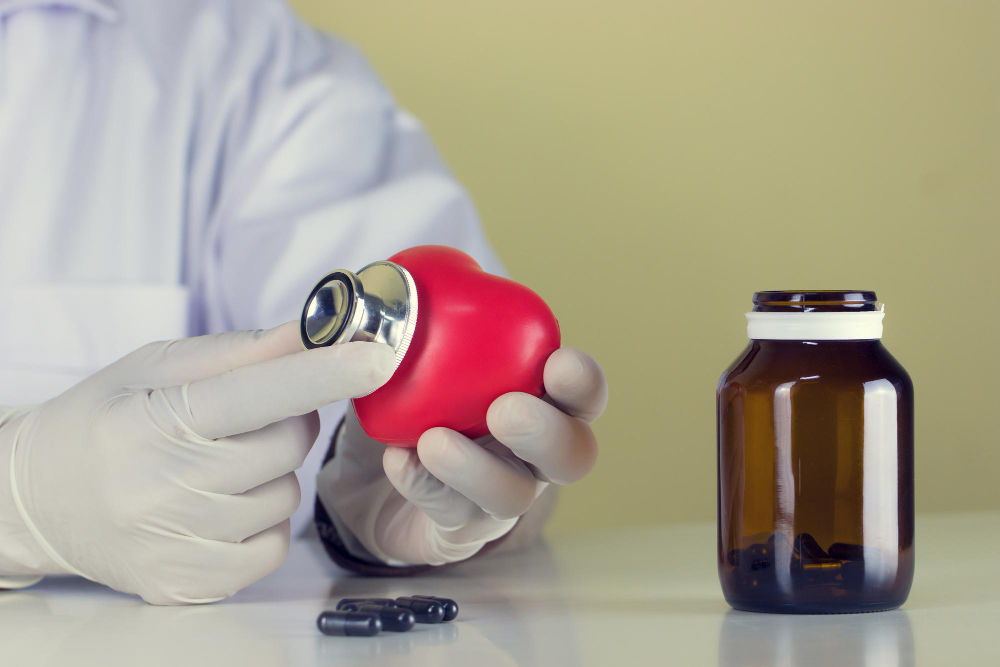
A homocysteine test measures the amount of homocysteine in your blood. Homocysteine is an amino acid your body makes when it breaks down protein. Usually, your body keeps homocysteine levels low. However, sometimes these levels can rise. When this happens, it may signal health problems. Many doctors use the homocysteine test to check for heart and vitamin-related risks. For example, high homocysteine can point to vitamin B12 or folate deficiency. This simple blood test helps your doctor understand your risk for certain conditions.
Why Is the Homocysteine Test Important for Heart Health?
High homocysteine levels may harm your heart and blood vessels. According to the CDC, increased homocysteine can damage blood vessel walls. As a result, this damage may raise your risk for heart disease and stroke. Some studies suggest that people with high homocysteine are more likely to develop heart problems. Therefore, doctors sometimes use the homocysteine test to help spot heart disease risk early. While it is not the only factor, it adds helpful information about your heart health.
Vitamin Deficiencies and Homocysteine Levels
Often, high homocysteine is linked to low levels of certain vitamins. For instance, vitamin B12, vitamin B6, and folate help keep homocysteine in check. If you do not get enough of these vitamins, your homocysteine can rise. This is why the homocysteine test can also point to vitamin B12 deficiency and homocysteine problems. In addition, people with poor diets or certain health conditions may be at higher risk. Eating a balanced diet can help keep your levels normal.
How Is the Homocysteine Test Performed?
The homocysteine blood test is quick and simple. First, a healthcare worker takes a small blood sample from your arm. You may need to fast for several hours before the test. Your doctor will tell you if this is needed. After the sample is collected, it is sent to a lab. The lab checks your homocysteine level. Results are usually ready in a few days. This test is safe and has very few risks.
Who Should Consider a Homocysteine Test?
Not everyone needs a homocysteine test. However, your doctor may suggest it if you have:
Additionally, people with certain health conditions may benefit from this test. Always ask your doctor if it is right for you.
Interpreting Homocysteine Test Results
After the homocysteine test, your doctor will review your results. Normal levels are usually between 5 and 15 micromoles per liter. However, this range can vary by lab. If your level is high, it may mean you have a higher risk for heart disease or a vitamin deficiency. Sometimes, other factors like kidney disease can also raise your homocysteine. Your doctor will explain what your results mean for your health.
Ways to Manage High Homocysteine Levels
If your homocysteine is high, there are steps you can take. For example, you may need to:
With these changes, many people can lower their homocysteine levels. Always follow your doctor’s advice for the best results.
Preventive Tips for Heart and Vitamin Health
Keeping your heart and vitamin levels healthy is important. To help lower your risk, try these tips:
By following these steps, you can help keep your homocysteine and heart health in good shape.