
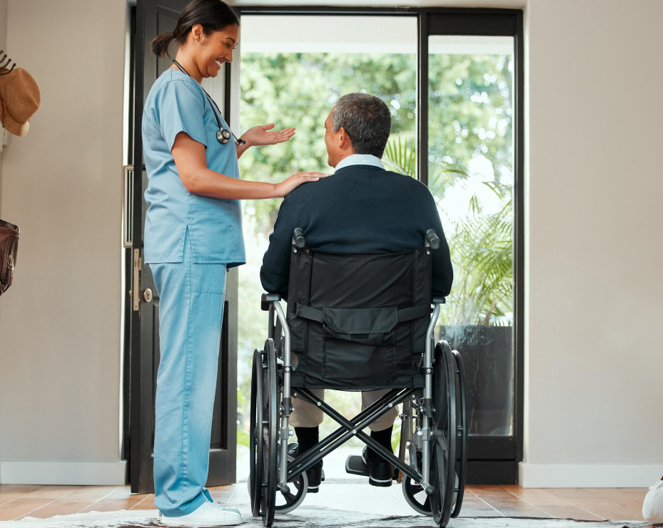
Emergency Medical Support at Your Doorstep: What You Need to Know

Emergency medical support at your doorstep means getting urgent care right at home. This service brings trained medical teams to you during a crisis. As a result, you get fast help without leaving your house. Many people now rely on doorstep medical services for quick and safe care. In fact, emergency medical support at your doorstep can save lives by reducing delays. Let’s explore how this service works and why it matters.

What Is Emergency Medical Support at Your Doorstep?

Emergency medical support at your doorstep is a service that sends medical teams to your home during emergencies. Instead of rushing to a hospital, you call for help, and a team arrives quickly. Usually, these teams include doctors, nurses, or paramedics. They bring medical equipment and supplies to treat you on the spot.

This service covers many types of emergencies, such as:

  • Heart attacks or chest pain
  • Stroke symptoms
  • Severe injuries or bleeding
  • Breathing problems
  • High fever or seizures
  • Sudden weakness or confusion
  • Because the team comes to you, you get care faster. In some cities, home emergency care is available 24/7.

    Key Benefits

  • Rapid response: Help arrives quickly at your home.
  • Convenience: You do not need to travel during a crisis.
  • Expert care: Trained professionals handle your emergency.
  • Reduced risk: You avoid crowded hospitals and long waits.
  • Better outcomes: Early treatment can improve recovery.
  • Comfort: You stay in a familiar environment.
  • When Should You Call for Emergency Medical Support at Home?

    Sometimes, it is hard to know when to call for help. However, you should contact doorstep medical services if you notice:

  • Sudden chest pain or pressure
  • Signs of a stroke, like slurred speech or numbness
  • Severe bleeding that will not stop
  • Difficulty breathing or shortness of breath
  • Loss of consciousness or fainting
  • Serious injuries from falls or accidents
  • Seizures or convulsions
  • High fever with confusion
  • If you are unsure, it is safer to call for urgent care at home. Quick action can save lives.

    How Does the Process Work?

    Getting emergency medical support at your doorstep is simple. Here is how it usually works:

  • Call the emergency medical support number or use their app.
  • Share your location and describe the problem.
  • The team prepares and brings needed equipment, such as oxygen or monitors.
  • They arrive at your home, assess your condition, and start treatment.
  • If needed, they arrange safe transport to a hospital.
  • Many services use GPS to find your address faster. Some teams also use telemedicine to connect with doctors for extra advice.

    What to Expect from the Medical Team

    When the team arrives, you can expect skilled care. Usually, the team includes paramedics, nurses, or doctors. They check your vital signs, such as pulse and breathing. Next, they may give medicines, start IV fluids, or use medical devices. Their main goal is to stabilize you before moving you, if needed. They also explain each step and answer your questions. Because they are trained for emergencies, you are in safe hands.

    Tips for Preparing for Emergency Medical Visits

  • Keep your address and phone number easy to find.
  • List all current medicines and allergies.
  • Have important medical records ready.
  • Clear a path for the team to enter your home.
  • Stay calm and follow instructions from the team.
  • Inform family members about the emergency.
  • Prevention and Safety Advice

    While emergency care is vital, prevention is better. Here are some simple tips to stay safe at home:

  • Keep floors clear to prevent falls.
  • Store medicines and chemicals safely.
  • Install smoke detectors and check them often.
  • Learn basic first aid and CPR.
  • Have emergency numbers saved in your phone.
  • Visit your doctor for regular check-ups.
  • Frequently Asked Questions

  • Is emergency medical support at your doorstep available 24/7? In many cities, yes. Check with your local provider.
  • Will the team bring all needed equipment? Yes, they carry basic emergency tools and medicines.
  • Can they treat all emergencies at home? They handle most urgent cases, but may take you to a hospital if needed.
  • Is this service covered by insurance? Sometimes. Ask your provider for details.
  • How do I find a reliable service? Search online or ask your doctor for trusted options in your area.
  • If you or a loved one needs urgent care, contact your local emergency medical support service for immediate help.