
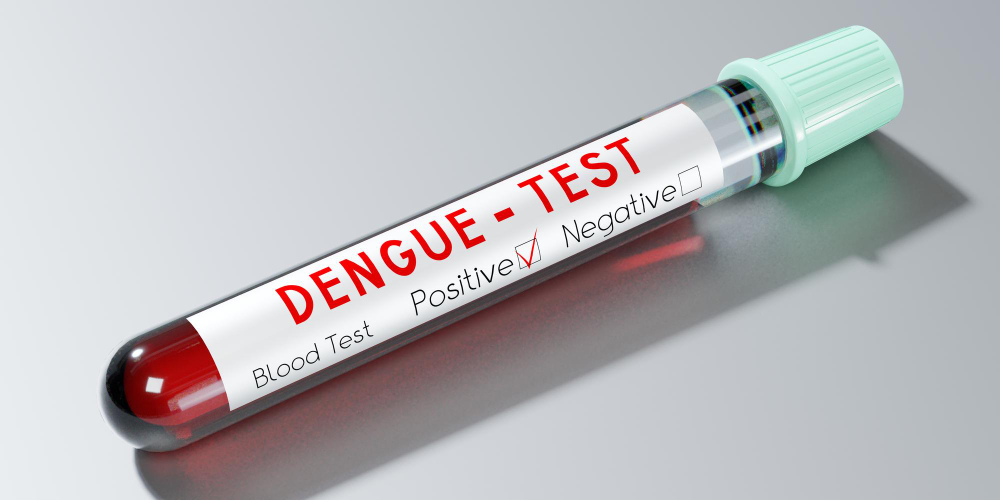
What is a Dengue Profile Test?
The Dengue Profile Test is a group of blood tests used to detect dengue infection. It helps doctors confirm if you have dengue fever. Usually, this test checks for the dengue virus, antibodies, and related changes in your blood. Because dengue can be serious, early diagnosis is important. The Dengue Profile Test is often recommended if you show signs of dengue or live in an area where dengue is common.
Why is the Dengue Profile Test Important?
Early detection of dengue can help prevent severe illness. With a Dengue Profile Test, doctors can:
Moreover, the test helps stop the spread of dengue in your community. In many cities, such as Mumbai or Delhi, dengue cases rise during the rainy season. Therefore, timely testing is crucial.
Symptoms Indicating the Need for a Dengue Profile Test
If you notice certain symptoms, you may need a Dengue Profile Test. Common signs include:
However, not everyone has all these symptoms. If you feel unwell and live in a dengue-prone area, consider getting tested.
How is the Dengue Profile Test Performed?
The dengue test procedure is simple and safe. First, a healthcare worker will clean your arm. Next, they will draw a small amount of blood using a needle. The blood sample is then sent to a lab for testing. Usually, you do not need to fast before the test. Most people feel only mild discomfort during the blood draw. Afterward, you can return to your normal activities.
Understanding Your Dengue Profile Test Results
Once your blood is tested, the results will show if you have dengue. The report may include:
If your test is positive, your doctor will explain what it means. Sometimes, repeat tests are needed to confirm the diagnosis. Always discuss your dengue test results with a healthcare provider.
When to Consult a Doctor
If you have symptoms of dengue or your test is positive, see a doctor right away. Also, seek help if you notice:
These signs may mean your condition is getting worse. Early medical care can prevent serious problems.
Prevention and Next Steps
While there is no cure for dengue, you can take steps to protect yourself. For example:
If you have had a Dengue Profile Test, follow your doctor’s advice. Drink plenty of fluids and rest as needed.
Conclusion
A dengue profile test can provide valuable information when dengue infection is suspected, but the right test depends on the stage of illness. Early evaluation helps doctors make informed decisions about monitoring and care. If you develop symptoms suggestive of dengue, do not self-diagnose based on a single test result—seek medical advice for appropriate testing and treatment.
Don’t ignore persistent fever or dengue-like symptoms. Consult Dr. Ayush Bansal for timely dengue testing, accurate evaluation, and personalized medical guidance.