
What Is a Bone Density Test?
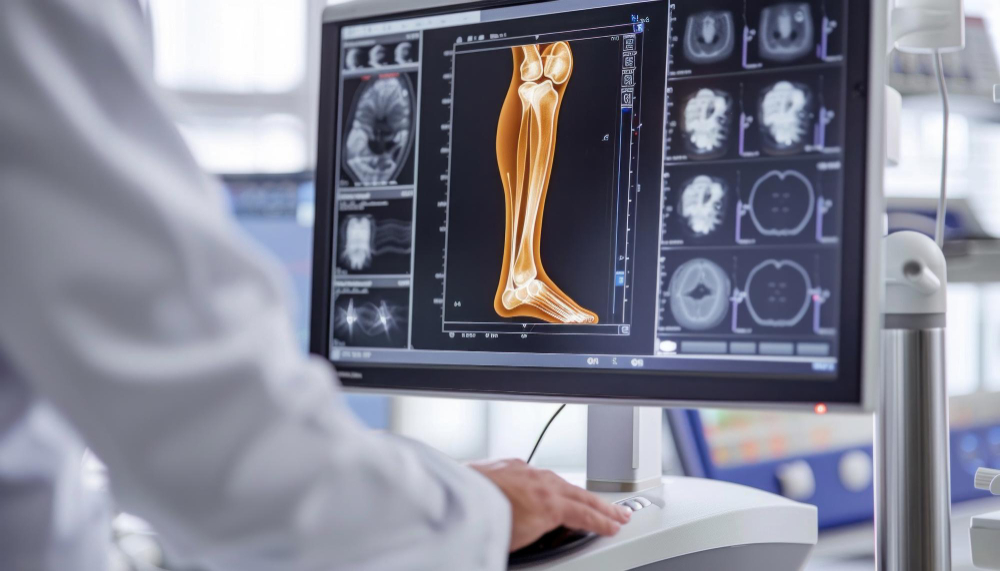
A bone density test checks how strong your bones are. Most often, doctors use a DEXA scan for this test. DEXA stands for dual-energy X-ray absorptiometry. This scan measures the amount of calcium and other minerals in your bones. Because it is quick and painless, many people find it easy. In fact, a bone density test is the most common way to check for bone loss. This process is also called a bone health assessment. For example, doctors use it to look for signs of osteoporosis, a condition where bones become weak and break easily.
Why Is a Bone Density Test Important?
Many people lose bone strength as they age. However, you may not notice any symptoms until a bone breaks. That is why a bone density test is so important. With this test, doctors can spot bone loss early. As a result, you can take steps to protect your bones. According to the CDC, osteoporosis affects millions of adults in the United States. Early osteoporosis screening can help prevent fractures and other problems. In addition, knowing your bone health helps you make better choices for your future.
Who Should Get a Bone Density Test?
Not everyone needs a bone density test. Still, some people are at higher risk for bone loss. The U.S. Preventive Services Task Force suggests:
For example, if you have a family history of osteoporosis, your doctor may suggest a bone health assessment sooner. In some cities, local clinics offer these tests as part of routine health checks.
How Is a DEXA Scan Performed?
During a DEXA scan, you lie flat on a padded table. Next, a scanner passes over your body. It uses low-dose X-rays to measure bone strength, usually at your hip and spine. The scan takes about 10 to 20 minutes. Because the test is painless, most people feel comfortable throughout. You do not need to change into a hospital gown unless your clothes have metal parts. After the scan, you can return to your normal activities right away. Many clinics in your area offer same-day appointments for DEXA scans.
How to Prepare for a Bone Density Test
Preparing for a bone density test is simple. Still, there are a few things to keep in mind:
Because the test is quick, you will not need to fast or make big changes to your routine. If you have questions about how to prepare for a bone density test, your healthcare provider can help.
Understanding Your Bone Density Test Results
After your DEXA scan, you will get a score called a T-score. This number compares your bone strength to that of a healthy young adult. For example:
Your doctor will explain what your score means for you. In addition, they may suggest steps to improve your bone health or lower your risk of fractures. Sometimes, a follow-up bone health assessment is needed to track changes over time.
Risks and Safety of DEXA Scans
DEXA scans are very safe. The amount of radiation used is much lower than that of a chest X-ray. For most people, the benefits of knowing your bone health far outweigh any risks. However, you should tell your doctor if you are pregnant or think you might be. In that case, your doctor may suggest waiting until after pregnancy. Because the scan is non-invasive, there is no pain or recovery time needed. The World Health Organization notes that DEXA scans are the gold standard for osteoporosis screening.
Tips for Maintaining Healthy Bones
Keeping your bones strong is important at every age. Here are some tips to help:
Because bone loss can happen slowly, regular check-ups and healthy habits make a big difference. For more information, you can visit trusted sources like the CDC or WHO.
Conclusion
If you have questions about your bone health or need a bone density test, Dr. Ayush Bansal is here to help. Book a consultation today to get personalized advice and support for stronger bones.