
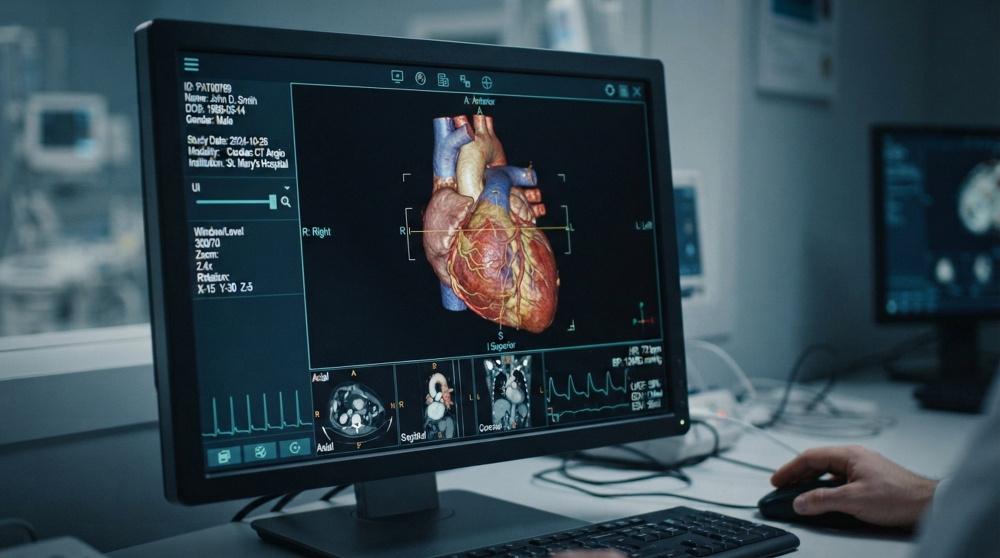
What is CT Angiography?
CT angiography is a special imaging test that helps doctors see blood vessels inside your body. This advanced vascular diagnostic tool uses a CT scanner and a dye to make blood vessels show up clearly. As a result, CT angiography can spot problems in arteries and veins without surgery. Many hospitals and clinics now use this non-invasive imaging method to check for blood flow issues.
How Does CT Angiography Work?
First, a healthcare provider injects a contrast dye into your vein. Then, you lie on a table that slides into a CT scanner. The scanner takes many X-ray pictures from different angles. Next, a computer combines these images to create detailed 3D pictures of your blood vessels. Because the dye highlights your vessels, doctors can see any blockages or narrow spots. According to the CDC, this method helps find vessel problems early.
Common Reasons for CT Angiography
Doctors often order CT angiography for several reasons. For example, they may use it to:
In many cases, CT angiography helps guide treatment decisions quickly and safely.
Symptoms and Conditions Detected by CT Angiography
CT angiography can help find the cause of many symptoms. For instance, if you have chest pain, leg pain, or sudden weakness, this test may help. It can detect conditions such as:
Because CT angiography is fast, it is often used in emergencies.
The CT Angiography Procedure: What to Expect
Before the test, a nurse will place an IV in your arm for the contrast dye. Next, you will lie on a table that moves into the CT scanner. You may need to hold your breath for a few seconds during the scan. The test usually takes less than 30 minutes. Afterward, you can often go home the same day. However, you may need to wait briefly while staff check your images.
Risks and Safety Considerations
CT angiography is generally safe for most people. Still, there are some risks to consider. For example, the contrast dye can cause allergic reactions in rare cases. Some people may feel warm or have a metallic taste during the injection. Because the test uses X-rays, there is a small amount of radiation. However, the benefits often outweigh these risks, especially when doctors need quick answers. The World Health Organization notes that modern scanners use the lowest possible dose.
Preparation and Aftercare Tips
To prepare for CT angiography, your doctor may ask you to:
After the test, drink plenty of water to help flush the dye from your body. If you feel any unusual symptoms, such as rash or trouble breathing, tell your doctor right away. Most people can return to normal activities soon after the scan.
Benefits of CT Angiography Compared to Other Imaging Tests
CT angiography offers several advantages over older tests. For example, it is less invasive than traditional angiography, which uses a catheter in the artery. In addition, CT angiography is faster and usually does not require a hospital stay. It provides clear, 3D images that help doctors see even small vessel problems. Because it is non-invasive, recovery is quick. Many experts, including those at the CDC, recommend CT angiography for its accuracy and safety.
Preventive and Lifestyle Guidance for Vascular Health
While CT angiography can detect blood vessel problems, keeping your vessels healthy is important. To protect your vascular health, consider these tips:
By following these steps, you can lower your risk of vessel problems and improve your overall health.
Start your journey towards better well-being with us. Consult Dr. Ayush Bansal