
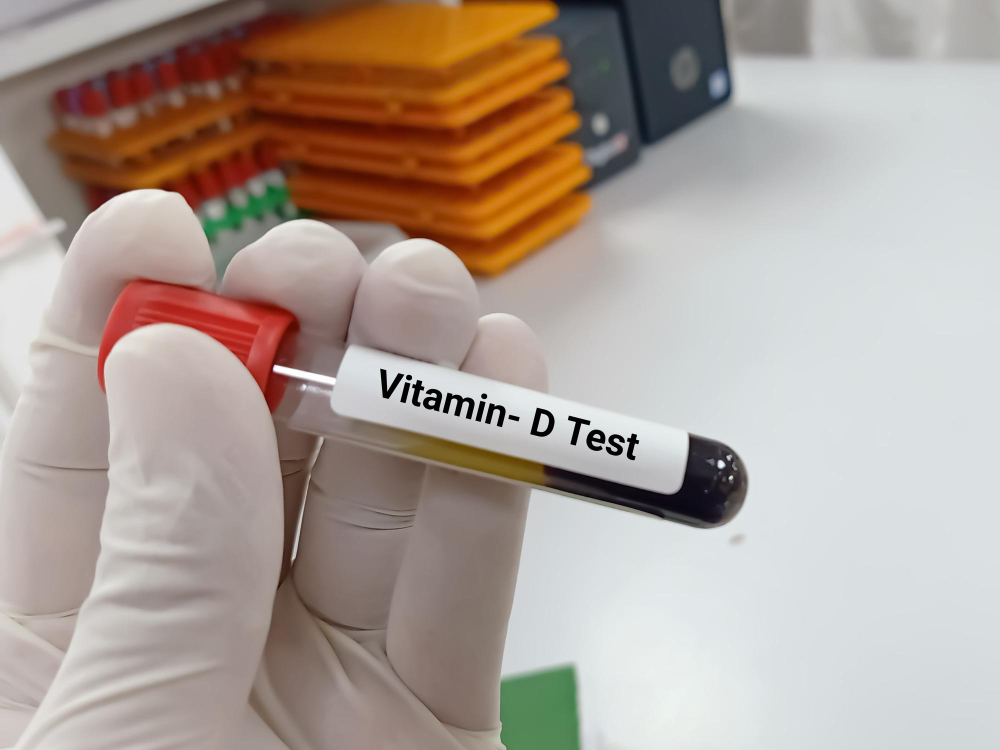
Many people wonder why a Vitamin D test is important. This simple blood test checks your vitamin D level and helps find problems early. The benefits of vitamin D blood test include spotting low levels before they cause health issues. If you ask, “Who should get a vitamin D test?” or want to know about vitamin D deficiency screening, this guide will help. Early testing can keep you healthy and prevent future problems.
What Is a Vitamin D Test?
A Vitamin D test measures the amount of vitamin D in your blood. Doctors use it to check if your body has enough of this important nutrient. Vitamin D helps your bones, muscles, and immune system work well. Without enough, you may feel weak or get sick more often. For this reason, many people choose to get tested, especially if they have symptoms or risk factors.
Why Is the Vitamin D Test Important?
Vitamin D plays a big role in your health. It helps your body absorb calcium, which keeps your bones strong. If you do not have enough vitamin D, you may develop weak bones or other health problems. In addition, low vitamin D can affect your mood and energy. Because of these reasons, a Vitamin D test can help spot issues early. Early detection means you can take steps to improve your health before problems start.
Who Should Get Tested?
Not everyone needs a Vitamin D test. However, some people are at higher risk for low vitamin D. You may need a test if you:
Additionally, if you feel tired, have bone pain, or get sick often, talk to your doctor. They may suggest a vitamin D deficiency screening. You can also search for “Vitamin D test near me” to find local options.
How Is the Vitamin D Test Performed?
The Vitamin D test is quick and simple. A healthcare worker will take a small blood sample from your arm. Usually, you do not need to fast before the test. The sample goes to a lab, and results are ready in a few days. Most people feel only a small pinch during the blood draw. Afterward, you can return to your normal activities.
Understanding Your Vitamin D Test Results
Vitamin D levels are measured in nanograms per milliliter (ng/mL). Here is what your results may mean:
If your level is low, your doctor may suggest supplements or lifestyle changes. On the other hand, high levels can also cause problems. Therefore, always follow your doctor’s advice on how to manage your vitamin D.
Risks and Limitations of the Test
While the Vitamin D test is safe, it has some limits. For example, results can vary based on the lab or the time of year. Some medicines or health conditions may affect your results. Still, the test is a helpful tool for most people. Side effects from the blood draw are rare but may include slight bruising or soreness.
How to Maintain Healthy Vitamin D Levels
Keeping your vitamin D at a healthy level is important. You can boost your vitamin D by:
However, too much vitamin D can be harmful. Always check with your doctor before starting supplements.
Prevention and Lifestyle Tips
To prevent vitamin D deficiency, try these tips:
Moreover, if you live in a place with little sunlight, talk to your doctor about other ways to get enough vitamin D. Searching for “Vitamin D testing in your city” can help you find local clinics.
Conclusion
In summary, a Vitamin D test is a simple way to check your health. It can help find problems early and guide you to better choices. Consult Dr. Ayush Bansal to see if a Vitamin D test is right for you.