
What Is a CT Scan?
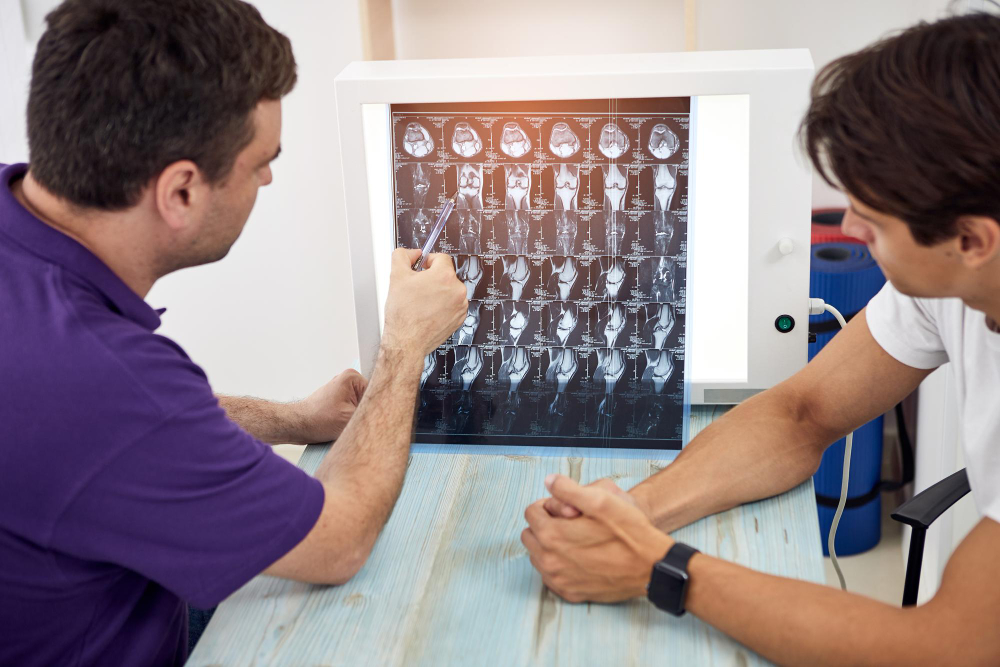
A CT scan, or computed tomography scan, is a special type of X-ray. It uses a computer to create detailed pictures of the inside of your body. Because it takes many images from different angles, doctors can see bones, organs, and tissues more clearly. For example, CT scans help find injuries, tumors, or infections. According to the CDC, CT scans are common in hospitals and clinics worldwide.
What Is a Plain CT Scan?
A plain CT scan is a CT scan done without any added dye or contrast agent. Instead, it uses only X-rays to take pictures. Often, doctors use plain CT scans to look at bones, lungs, or to check for bleeding. For instance, if someone has a head injury, a plain CT scan can quickly show if there is bleeding or a fracture. Because it is quick and simple, it is often the first step in many cases.
What Is a Contrast CT Scan?
A contrast CT scan uses a special dye, called a contrast agent. This dye makes certain parts of the body show up more clearly on the scan. Usually, the dye is given by mouth, through a vein, or sometimes as an enema. As a result, doctors can see blood vessels, organs, or tumors more easily. According to the World Health Organization, contrast CT scans help find problems that may not show up on plain scans. For example, they can spot small tumors or blocked blood vessels.
Key Differences Between Plain and Contrast CT Scans
While both scans use X-rays, there are important differences. Understanding these can help you know what to expect. Below are the main differences:
When Is Each Type Recommended?
Doctors choose the type of CT scan based on your symptoms and what they need to see. For example, a plain CT scan is often used for:
On the other hand, a contrast CT scan is recommended for:
In some hospitals, local guidelines may affect which scan is used first. Always, your doctor will choose the safest and most helpful test for you.
Safety and Side Effects
Generally, CT scans are safe for most people. However, both types use X-rays, so doctors try to limit how often you get them. With contrast CT scans, the dye is usually safe, but some people may have side effects. For instance, mild side effects include a warm feeling or a strange taste. Rarely, people can have allergic reactions, such as hives or trouble breathing. According to the CDC, people with kidney problems or allergies should tell their doctor before the scan. Pregnant women should also let their doctor know, as extra care may be needed.
How to Prepare for a CT Scan
Preparing for a CT scan is usually simple. Still, there are a few steps you can follow:
Sometimes, local centers may have special rules, so always check with your healthcare provider in your area.
Conclusion
If you have questions about CT scans or need help choosing the right test, Dr. Ayush Bansal and our team are here to guide you. Book a consultation today for clear answers and personalized care.